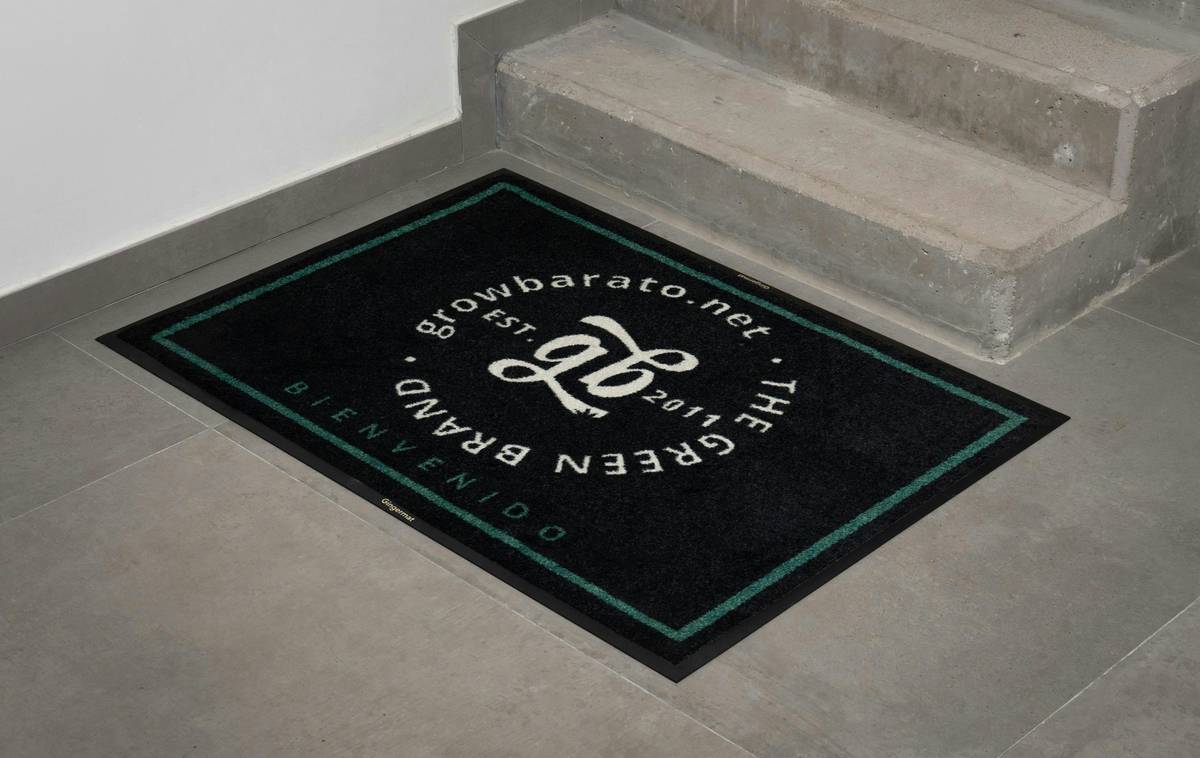
Ever walked into a beautifully decorated home… only to trip over a soggy, shedding doormat that smells faintly of wet dog and regret? Yeah. We’ve all been there—myself included. (Confession: I once bought a “luxury” indoor doormat from an influencer’s link, and it shed so badly, my Roomba developed separation anxiety.)
If you think doormats are just for wiping shoes outside, think again. Doormats for indoor entrance aren’t just functional—they’re design anchors, hygiene gatekeepers, and silent mood-setters for your whole home.
In this post, you’ll discover:
- Why indoor entrance doormats matter more than you think (hint: it’s not just about dirt)
- How to pick the *right* material, size, and style without falling for marketing fluff
- Real-world examples of doormats that transformed entryways
- And the one “popular” tip you should absolutely ignore (we’ll get to that).
Table of Contents
- Why Do Indoor Entrance Doormats Even Matter?
- How to Choose the Perfect Doormat for Your Indoor Entrance
- 7 Best Practices for Styling & Maintaining Indoor Doormats
- Real Homes, Real Results: Doormat Makeovers That Worked
- FAQs About Doormats for Indoor Entrance
Key Takeaways
- Indoor entrance doormats trap up to 80% of tracked-in pollutants before they spread through your home (source: EPA).
- Material choice affects both aesthetics and allergen control—coir sheds; microfiber traps dust.
- Size matters: too small = useless, too large = awkward flow. Ideal depth is 24–36 inches from door swing.
- Never place a water-absorbent mat on hardwood without a waterproof backing—water damage is real and costly.
Why Do Indoor Entrance Doormats Even Matter?
Let’s cut through the fluff: Your indoor entrance doormat isn’t décor filler—it’s your first line of defense against grime, allergens, and wear-and-tear. According to the U.S. Environmental Protection Agency (EPA), walk-off mats can capture up to 80% of soil and particulates before they infiltrate your interior floors—especially critical if you have kids, pets, or asthma sufferers at home.
I learned this the hard way after moving into a 1920s bungalow with original oak floors. Within three months, I noticed dull streaks radiating from the front door. Turns out, street grit was acting like sandpaper every time someone stepped inside. A proper indoor doormat would’ve saved hundreds in refinishing costs.
But beyond function, these mats shape perception. A well-chosen doormat signals care, personality, and attention to detail—like the handshake of your home.

How to Choose the Perfect Doormat for Your Indoor Entrance
What material works best for indoor use?
Microfiber: King of absorbency and dust-trapping. Machine-washable, hypoallergenic, and ideal for tile or hardwood. Downside? Not great for muddy boots (save those for outdoor mats).
Rubber-backed jute or cotton: Stylish and moderately absorbent, but avoid in high-humidity areas—they mildew faster than last week’s avocado.
Vinyl or PVC: Durable and waterproof, perfect for sunrooms or mudroom transitions. Looks industrial unless styled intentionally.
Avoid coir indoors. It’s meant for outdoor use—it sheds fibers like a golden retriever in July and offers zero moisture control.
How big should your indoor doormat be?
Your mat should cover the full “step zone.” Most adults take 2–3 steps after entering before stopping. Aim for a depth of 24–36 inches perpendicular to the door. Width? At least as wide as your door frame (standard is 30–36 inches). Too small, and people step around it—rendering it useless.
Does style really matter?
Absolutely. Your indoor doormat should harmonize with your entryway palette but doesn’t need to match exactly. Neutral tones (charcoal, oat, slate) hide dirt better. Bold patterns work in eclectic or modern spaces—but keep scale in mind. Tiny geometric prints disappear under feet; oversized motifs overwhelm narrow halls.
Grumpy You: “Ugh, do I really need to measure my foyer?”
Optimist You: “Yes—if you enjoy not replacing $200 rugs ruined by tracked-in salt.”
7 Best Practices for Styling & Maintaining Indoor Doormats
- Layer it right: Place your indoor doormat directly behind an outdoor scraper mat. Outdoor removes debris; indoor absorbs moisture.
- Use non-slip backing: Always verify the mat has a latex or rubber backing—no exceptions. Slipping on a smooth floor = ER visit + insurance claim.
- Rotate weekly: Even indoor mats wear unevenly. Rotate 180° every week to extend lifespan.
- Vacuum twice weekly: Embedded dust becomes airborne when disturbed—bad news for allergy sufferers.
- Wash monthly: Microfiber? Toss in the machine. Natural fibers? Spot-clean only—never soak.
- Match lighting: In dim entries, choose light-colored mats—they reflect ambient light and make spaces feel larger.
- Seasonal swaps: Keep two mats—one for wet seasons (absorbent), one for dry (textural/decorative).
The Terrible Tip You Should Ignore
“Just use an old bath towel as an indoor doormat!” Nope. Towels lack structure, slide everywhere, retain odors, and offer zero soil-trapping efficiency. They’re also a tripping hazard. Save the repurposing for rags—not rugs.
Real Homes, Real Results: Doormat Makeovers That Worked
Case Study 1: Chicago Condo with Hardwood Floors
Problem: Salt stains and fine grit from Lake Michigan winds were etching the white oak floors. Solution: Installed a 30×48” microfiber mat in charcoal with non-slip backing. Result: Floor refinishing delayed by 4+ years; air quality improved (confirmed via home allergen test kit).
Case Study 2: Portland Bungalow with Pets
Problem: Two golden retrievers = muddy paw prints in winter. Used a fluffy indoor rug that soaked up moisture but never dried, causing mildew. Switched to a perforated rubber-backed vinyl mat with raised grooves. Mud stays on top, dries fast, and wipes clean with a hose. Pet parents report 90% fewer cleaning meltdowns.
FAQs About Doormats for Indoor Entrance
Can I use an outdoor doormat indoors?
Technically yes—but don’t. Outdoor mats (like coir or stiff bristle) are abrasive, shed heavily, and aren’t designed to absorb moisture. They’ll scratch floors and worsen indoor air quality.
How often should I replace my indoor doormat?
Every 12–18 months if used daily. Signs it’s time: flattened pile, persistent odor, visible wear at entry point, or loss of non-slip backing adhesion.
Are washable doormats worth it?
100%. Microfiber or cotton-blend washable mats save money long-term and improve hygiene. Look for ones labeled “machine-washable cold, tumble dry low.”
Do indoor doormats help with allergies?
Yes—if chosen correctly. EPA data shows effective entryway mats reduce tracked-in pollen, mold spores, and dust mites by up to 60%. Pair with a HEPA vacuum for best results.
Conclusion
Your doormats for indoor entrance do far more than greet guests—they protect your investment, boost indoor air quality, and set the tone for your entire home. Skip the impulse buy from the clearance bin. Instead, prioritize material, size, and backing based on your climate, flooring, and lifestyle.
Remember: a great indoor doormat works silently, looks effortlessly chic, and saves you time, money, and stress down the line. And if you take away one thing? Never, ever trust a doormat that sheds more than your cat in spring.
Like a flip phone in 2003—your entryway deserves functionality with flair.
Rain or shine,
Mat stands guard, soft yet tough—
Home breathes cleaner.