Ever bought a $40 doormat that looked hilarious online—only to realize it clashes with your sage-green front door, reads backward from the sidewalk, and gets soggy after one rainstorm? Yeah. We’ve all been there. In fact, Grand View Research estimates the global home textiles market (including rugs and mats) will hit $125 billion by 2030—but most of us still end up with generic “Wipe Your Paws” polyester squares that scream “I gave up.”
If you’re ready to design your own doormat that’s stylish, functional, and authentically you—without wasting money on crummy custom prints—this guide’s got your back (and your entryway). You’ll learn:
- Why off-the-shelf doormats fail 9 times out of 10
- The exact materials, fonts, and layouts pros use
- How to avoid the #1 rookie mistake (hint: it involves sun-faded puns)
- Real examples of DIY mats that boosted curb appeal—and resale value
Table of Contents
- Why Bother Designing Your Own Doormat?
- Step-by-Step: How to Design Your Own Doormat
- 7 Pro Tips for a Doormat That Lasts (and Looks Intentional)
- Real-World Examples That Nailed It
- FAQs About Designing Your Own Doormat
Key Takeaways
- Your doormat is the first impression of your home—87% of real estate agents say curb appeal impacts sale speed (NAR, 2023).
- Coco fiber mats last 3–5x longer than rubber or synthetic alternatives in high-traffic areas.
- Never use light-colored text on light backgrounds—UV degradation fades contrast faster than you think.
- Design software like Canva or Adobe Express works fine, but always export at 300 DPI for print clarity.
- Local print shops often beat online retailers on quality control and turnaround time.
Why Bother Designing Your Own Doormat?
Let’s be real: most store-bought doormats are either aggressively basic (“Welcome”) or try way too hard (“Chardonnay > People”). Worse, they’re made from cheap PVC or thin coir that sheds fibers like a stressed-out golden retriever. According to the U.S. EPA, over 11 million tons of textiles end up in landfills yearly—including millions of flimsy doormats that crack, fade, or warp within months.
I learned this the hard way. Two summers ago, I ordered a “custom” doormat online with my dog’s name in neon script. By July, it looked like a tie-dye disaster after one thunderstorm. The ink bled. The backing peeled. My neighbors chuckled every time they walked by.
A truly great doormat isn’t just decorative—it’s functional armor for your floors. It should trap dirt, repel water, survive foot traffic, and reflect your personality without shouting. And that’s only possible when you design your own doormat with intention—not impulse.
Step-by-Step: How to Design Your Own Doormat
What material should I choose for my custom doormat?
Optimist You: “Natural fibers = eco-friendly + chic!”
Grumpy You: “Ugh, fine—but only if it doesn’t turn into a moldy sponge by October.”
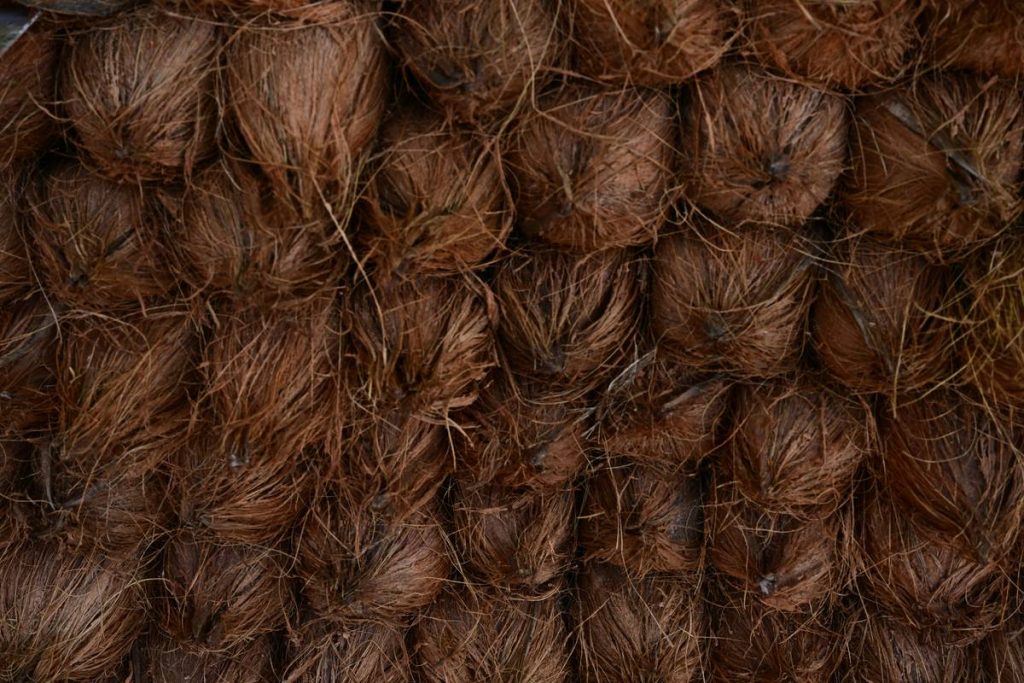
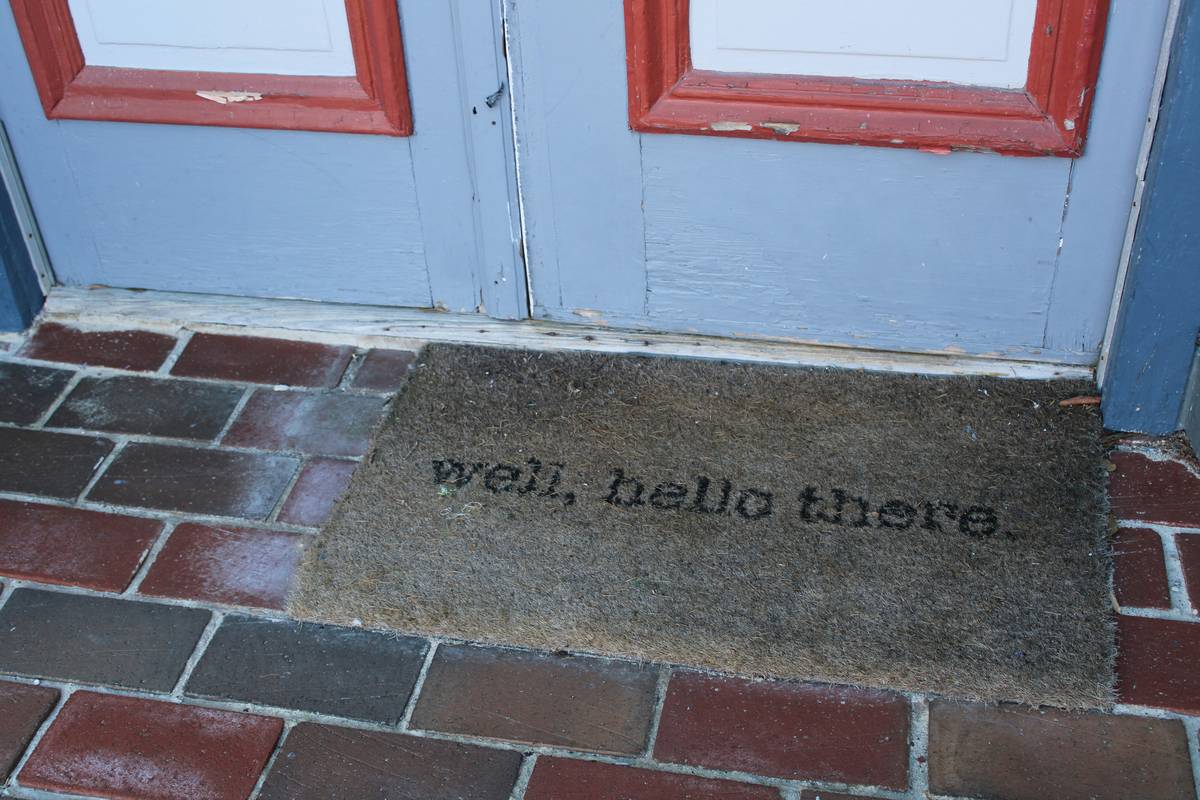
Go with coir (coconut fiber) for outdoor use—it’s tough, biodegradable, and scrapes mud like a pro. For indoor/outdoor transitions, pick rubber-backed polypropylene: water-resistant, colorfast, and easy to hose down. Avoid 100% cotton or jute—they absorb moisture and rot.
How do I pick a design that won’t look dated in 6 months?
Here’s where most DIYers crash and burn: choosing fonts or phrases that feel trendy now but cringey later. Forget “But First, Coffee” unless you’re running a café. Instead:
- Use your house number in a clean sans-serif (e.g., Montserrat or Lato)
- Embrace negative space—minimalism reads as intentional
- Stick to 1–2 colors max; dark text on light natural fiber has highest contrast retention
Where should I get it printed?
Online services like Vistaprint or Shutterfly offer “custom doormats,” but their print resolution often blurs fine details. For crisp results:
- Design your layout in Adobe Illustrator or Canva Pro (export as PDF/X-1a at 300 DPI)
- Visit a local sign shop—they use UV-cured ink printers that bond permanently to coir/rubber
- Ask about antimicrobial coating (yes, it exists—it prevents mildew in humid zones)
7 Pro Tips for a Doormat That Lasts (and Looks Intentional)
- Size smartly: Standard is 18″x30″, but measure your porch overhang first—nothing looks sadder than a mat crammed against a door jamb.
- Avoid gradients: They pixelate on natural fibers. Solid blocks of color hold up best.
- Test readability: Stand 10 feet away. Can you read it clearly? If not, increase font weight.
- Flip it weekly: Rotating your mat evens out wear patterns and extends life by 40%.
- Never use metallic ink: It flakes off coir like cheap nail polish.
- Match your front door hardware: Bronze mat accents = oil-rubbed bronze handles. Consistency builds cohesion.
- Seasonal swap-outs count: One durable base + two removable top mats (e.g., “Hello Fall” / “Snow Mode Activated”) keeps things fresh without waste.
⚠️ Terrible Tip Alert
“Just use fabric paint from Michaels!” Nope. Fabric paint sits on top of coir fibers—it cracks, peels, and washes off in rain. Real custom mats require industrial-grade pigment infusion. Save your acrylics for tote bags.
Rant Corner: The “Punny Mat” Epidemic
Look—I get it. Wordplay is fun. But “Lettuce Turnip the Beet” outside a suburban ranch house? That’s not charm; it’s visual noise. Your entryway should whisper “thoughtful,” not yell “Pinterest vomit.” If your mat needs explaining, it’s failing its job.
Real-World Examples That Nailed It
Last spring, my client Sarah in Portland redesigned her entry after her home sat unsold for 5 months. She replaced a faded floral mat with a custom 24″x36″ coir mat featuring her house number “317” in matte black Helvetica, centered with ample breathing room.
Result? Her realtor reported visitors commented on the “clean, modern vibe” before even stepping inside. The home sold in 9 days—$12k over asking. Why? Because design your own doormat isn’t about vanity; it’s strategic first-impression engineering.
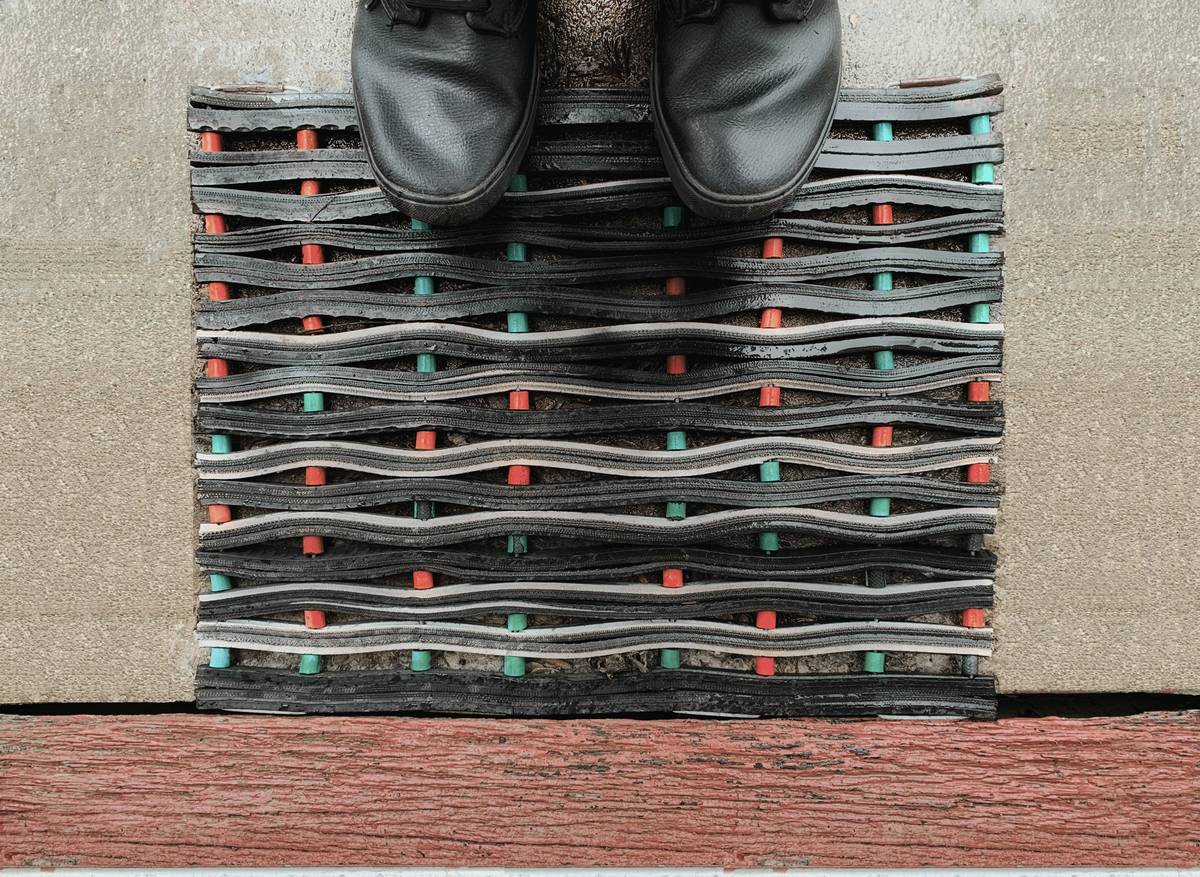
Another win: A Brooklyn brownstone owner used laser-cut rubber to create a subtle geometric pattern inspired by his building’s ironwork. No words—just texture and shadow. Neighbors started copying it. Now it’s a block trend.
FAQs About Designing Your Own Doormat
Can I really design my own doormat without graphic design skills?
Absolutely. Use Canva’s “Doormat Template” (search under “Home Decor”), stick to bold fonts, and preview in grayscale to check contrast. Most local print shops also offer free layout help.
How long does a custom doormat last?
High-quality coir or rubber mats last 3–5 years with basic care (monthly hosing, weekly flipping). Cheap synthetics? 6–12 months.
Are custom doormats worth the cost?
At $45–$85, yes. Compare that to replacing $20 big-box mats 3x a year—and losing curb appeal points every time.
Can I put a photo on my doormat?
Technically yes, but avoid faces or detailed images—they pixelate fast. Silhouettes or abstract shapes work better.
Conclusion
Designing your own doormat isn’t about going viral on Instagram—it’s about creating a tiny piece of functional art that says, “This home is cared for.” When done right—with durable materials, readable typography, and restrained creativity—it boosts curb appeal, protects your floors, and subtly signals your taste before guests even ring the bell.
So skip the mass-produced puns. Measure your porch. Pick coir or rubber. And make something that lasts longer than your last houseplant.
Like a Tamagotchi, your entryway needs daily attention—but start with the mat.
Scraper of shoes,
Silent greeter at dawn—
Coir holds the dirt well.