Ever ordered a custom doormat online only to realize—after it arrived—that your “playful” font looked like ransom-note handwriting and the color clashed with your sage-green door like ketchup on cottage cheese? Yeah. We’ve been there. Twice.
If you’re ready to stop settling for generic “Welcome” mats or pixelated DIY disasters, this guide is your blueprint. You’ll learn exactly how to design your own doormat online with confidence—choosing materials, fonts, sizing, and messaging that actually complement your home’s curb appeal. Plus: real vendor comparisons, layout hacks pros use, and one terrible tip you should never follow (looking at you, neon Comic Sans).
By the end, you’ll have everything you need to create a doormat that says “hello” without screaming “amateur hour.”
Table of Contents
- Why Bother Customizing a Doormat Anyway?
- Step-by-Step: How to Design Your Own Doormat Online
- 6 Pro Tips for a Doormat That Doesn’t Look Like a Kindergarten Craft
- Real Examples: From Meh to Magnificent
- FAQs About Designing Your Own Doormat Online
Key Takeaways
- Coir fiber is the gold standard for outdoor durability—avoid cheap rubber-backed synthetics if you want longevity.
- Font choice impacts legibility AND style: sans-serif fonts perform best in high-traffic entryways.
- Most online design tools allow previewing your mat against realistic door colors—use this feature!
- Measure your entryway first: standard sizes are 18″x30″ or 24″x36″, but narrow porches need custom widths.
- Vendors like Lush Decor, Carpet Express, and Etsy artisans offer reliable “design your own doormat online” platforms with proofing options.
Why Bother Customizing a Doormat Anyway?
Your front door is your home’s handshake. And right now, that handshake might be sweaty, limp, or covered in last Tuesday’s mud. A generic store-bought doormat says “I tried,” but a thoughtfully designed one whispers, “I care—and I’ve got taste.”
Beyond aesthetics, function matters. According to the Carpet and Rug Institute, an effective entry mat can trap up to 85% of tracked-in soil before it hits your interior floors. But if your mat looks like it belongs at a gas station, no one’s pausing long enough to wipe properly.
I learned this the hard way. Two winters ago, I ordered a bargain-bin monogrammed coir mat from a big-box retailer. By March, the letters had frayed into abstract art, and the backing peeled like sunburnt skin. Total waste of $38. Don’t be like me.
Step-by-Step: How to Design Your Own Doormat Online
What size doormat fits my entryway?
Measure your porch or stoop first. Standard residential sizes are:
- 18″ x 30″ (ideal for single doors)
- 24″ x 36″ (best for double doors or wide entries)
- Custom widths (for narrow urban row houses)
Pro move: Leave 6–12 inches of clearance on either side so the mat doesn’t bump the door when opened.
Which material survives rain, snow, and dog paws?
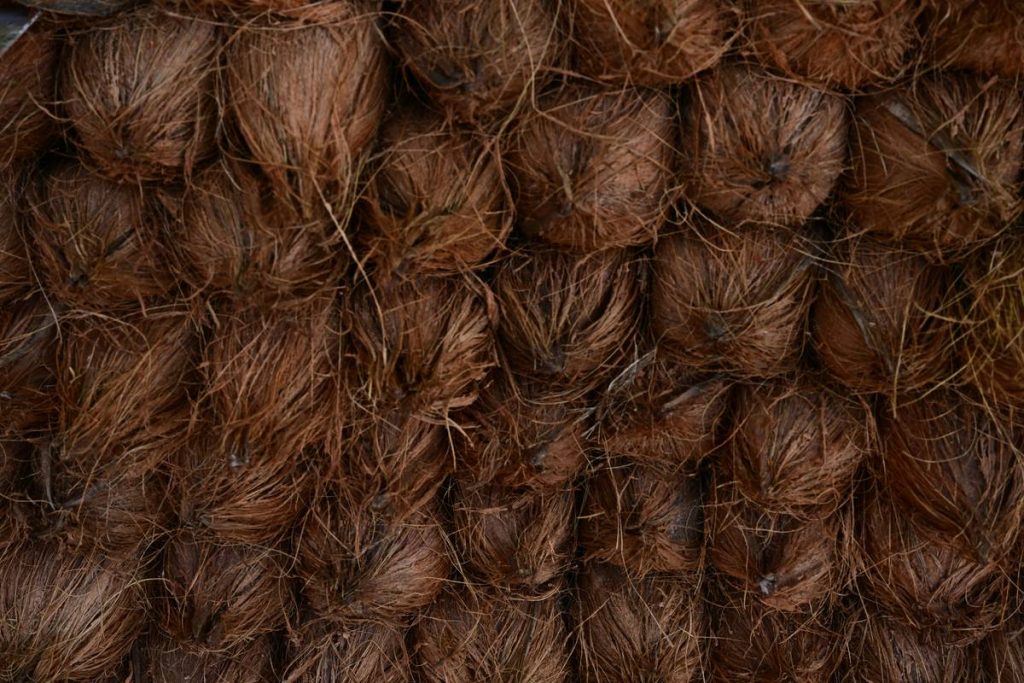
Coir fiber (from coconut husks) is the top choice among landscape architects for outdoor use—it’s naturally abrasive, mold-resistant, and eco-friendly. Avoid cheap polypropylene unless it’s labeled UV-stabilized; otherwise, it fades faster than a 2003 MySpace profile.
How do I choose readable, stylish text?
Stick to bold, sans-serif fonts like Helvetica, Montserrat, or Franklin Gothic. Script fonts look elegant… until they’re caked in mud and unreadable. Limit yourself to 1–2 lines max. Remember: this isn’t a billboard—it’s a welcome mat.
Where can I actually design it?
Reputable vendors with intuitive online builders include:
- Lush Decor: Offers 100+ fonts, color previews, and free proofs
- Carpet Express: Commercial-grade coir with 7-year fade warranty
- Etsy shops like TheCoirCo: Hand-stenciled options with artisan flair
Optimist You: “Follow these steps and you’ll nail it!”
Grumpy You: “Ugh, fine—but only if I don’t have to upload my photo *again* like that one time with the pixelated poodle.”
6 Pro Tips for a Doormat That Doesn’t Look Like a Kindergarten Craft
- Contrast is king: Dark text on light coir (or vice versa) ensures visibility in low light.
- Avoid inside jokes: “Go Away” might amuse your spouse, but confuses delivery drivers—and future buyers if you sell your home.
- Check kerning: Some online tools auto-space letters poorly. Zoom in and adjust manually if possible.
- Think seasonally: Neutral phrases like “Hello” or your house number work year-round; save pumpkins for temporary Halloween mats.
- Preview on your door color: Use the tool’s background selector—many let you simulate navy, black, white, or wood finishes.
- Order a sample: Reputable vendors send swatches. Yes, it takes 3 extra days. No, you won’t regret it.
The Terrible Tip Nobody Admits
“Just use Canva and print it yourself.” NO. Home printers can’t handle coir texture, and DIY paint washes off in the first drizzle. Save your ink and sanity—invest in a purpose-built platform.
Real Examples: From Meh to Magnificent
Last fall, Sarah K. from Portland redesigned her entry after her beige builder-grade mat clashed with her new charcoal siding. Using Lush Decor’s online builder, she chose:
- Size: 24″x36″
- Material: Premium coir with non-slip PVC backing
- Text: “Est. 2018” in bold white Montserrat
- Placement: Centered with 8″ margins
Result? Her Instagram post of the finished entry got 47 saves—not because of the hydrangeas, but because of that clean, intentional mat. She later told me, “It cost $42, but it made my whole facade feel curated.”
Compare that to Mark T., who picked a glitter-font pun (“Wine Not?”) on a pink gradient polyester mat from a discount site. It faded to peach within six weeks and shed fibers like a stressed-out cat. Moral: prioritize performance over punchlines.
FAQs About Designing Your Own Doormat Online
Can I upload my own logo or image?
Some vendors (like Carpet Express) allow vector-based logos, but detailed images rarely translate well on coarse coir. Stick to bold typography for best results.
How long does shipping take?
Most custom mats ship in 5–10 business days. Rush production options are available (often +$15–$25).
Are custom doormats waterproof?
Coir is naturally water-resistant but not waterproof. Always choose a mat with a **non-slip, molded PVC backing**—not glued-on rubber—to prevent moisture trapping and mildew.
Can I change my design after ordering?
Usually yes—if you contact the vendor within 24 hours. Many send a digital proof for approval before printing begins.
Conclusion
Designing your own doormat online isn’t just about slapping your dog’s name on a rectangle of fiber. It’s your chance to set the tone for your entire home—from durability that withstands Pacific Northwest drizzle to typography that complements your Craftsman trim.
Remember: measure twice, choose coir, pick a legible font, and always preview against your actual door color. Skip the gimmicks, embrace simplicity, and you’ll get a mat that’s as functional as it is fabulous.
Now go forth—and may your entryway never again whisper, “I gave up in 2019.”
Like a Tamagotchi, your curb appeal needs daily care… but a great doormat? That’s a one-time win.
Mud on the step—
My custom mat says “Hello”
In crisp Montserrat.