Your front door says hello before you do. Yet most people slap down a worn-out, generic mat and call it a day. It’s not just sloppy—it silently tells guests your home lacks intention. The fix? home decor doormats that marry function with fierce style. Not just “welcome” signs—strategic design weapons.
Why 90% of Doormats Fail at Entryway Decor
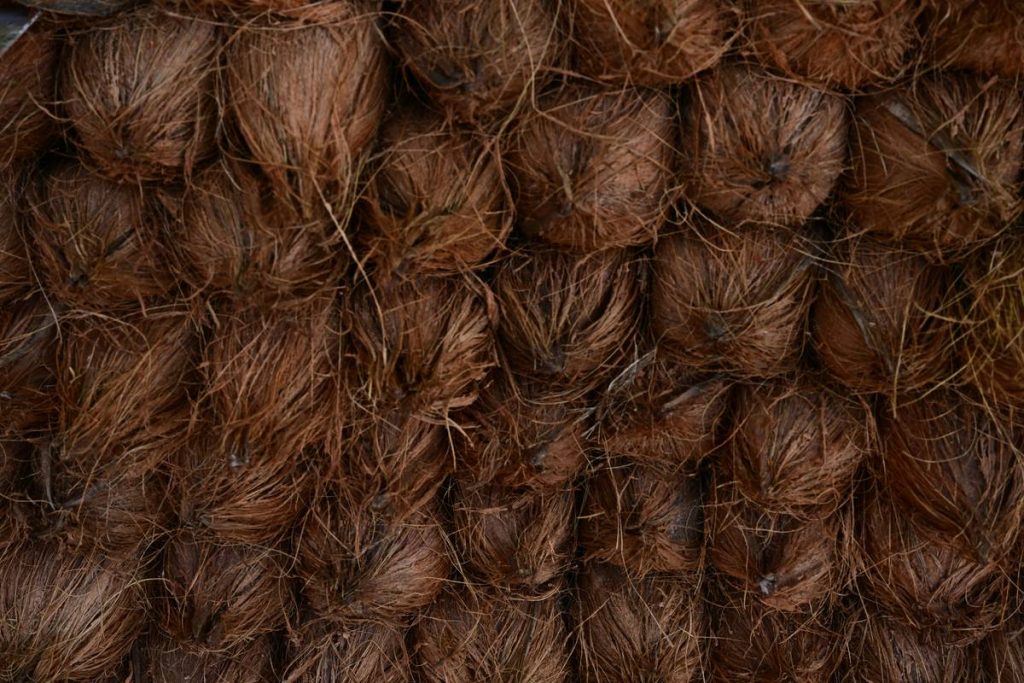
They’re chosen for price, not purpose. A flimsy coir mat from the big-box store might trap grit—but it fades in six weeks, sheds fibers like a stressed-out cat, and clashes with your carefully curated siding color. Worse, it ignores your climate. Rain? Snow? Sand? One-size-fits-all means it fits no one well.
And durability isn’t everything. I’ve seen $80 “designer” mats crack under UV exposure because the resin binder wasn’t rated for direct sun. Form without function is just clutter.
Choosing & Styling home decor doormats Like a Pro
Forget random shopping. Build your mat strategy around three non-negotiables: material resilience, aesthetic harmony, and seasonal flexibility.
Match Material to Your Microclimate
Coir excels in dry, dusty zones but rots when wet. Rubber-backed synthetics handle freeze-thaw cycles but feel industrial. Natural fibers like jute offer warmth but demand sheltered porches. Know your local weather quirks—and pick accordingly.
Size Isn’t Just Practical—It’s Psychological
A mat should cover at least 70% of your door’s width. Too small? It looks timid. Oversized mats command presence—and actually catch more debris. Measure twice. Buy once.
Coordinate Without Matching
Your mat shouldn’t “match” your door—it should complement your entryway’s dominant tone. A charcoal-gray mat against sage-green siding? Yes. A literal floral print echoing your curtain pattern? No. Think contrast with cohesion.
| Material Type | Best Climate | Lifespan (Avg.) | Style Flexibility |
|---|---|---|---|
| Coir (Natural Fiber) | Dry, low-humidity | 6–12 months | Medium – earthy tones only |
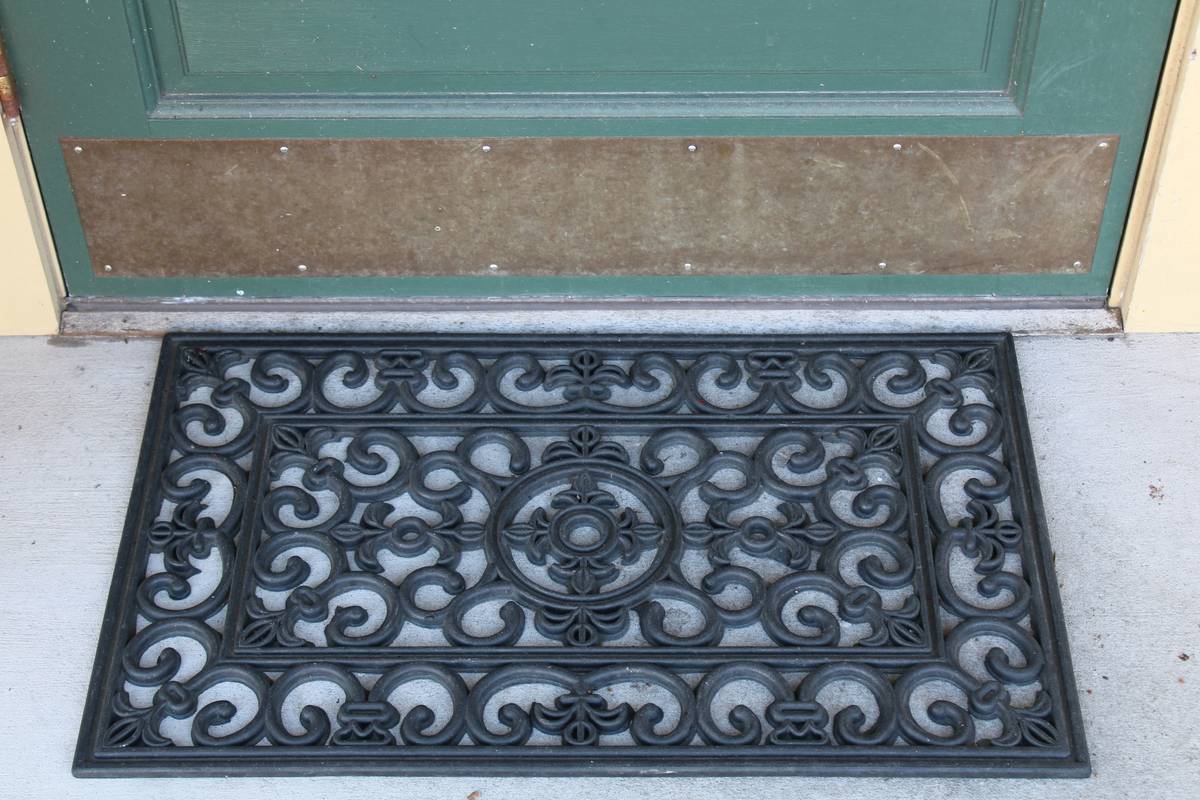
| Recycled Rubber | All-season (except extreme heat) | 3–5 years | Low – limited colors, utilitarian |
| Textured Polypropylene | High-moisture, coastal | 2–4 years | High – prints, patterns, bold hues |
| Handwoven Jute | Indoor/covered porch only | 1–2 years | Very High – artisanal, boho, neutral |

The Industry Secret: Rotate Mats Seasonally (Yes, Really)
Top interior stylists don’t buy one “forever” mat. They curate a rotation. A heavy-duty rubber scraper for winter slush. A vibrant polypropylene number for summer pool parties. A minimalist sisal weave for fall. Why? Because your entryway sets the emotional tone—and that shifts with the seasons.
Here’s the math: Two $40 quality mats used 6 months each outlast one $60 “all-season” flop. Plus, you refresh curb appeal without repainting or replanting. It’s staging that pays dividends every time someone rings your bell.
FAQ
Can home decor doormats be both stylish and functional?
Absolutely—if you prioritize material suited to your climate first, then layer on design. Function anchors style; never the reverse.
How often should I replace my entryway doormat?
Replace when fibers flatten permanently or backing cracks—usually 6–24 months. Seasonal rotation extends total system life significantly.
Are indoor/outdoor rugs better than traditional doormats?
Only if they have a high-pile trap zone. Most lack the stiff bristles needed to scrape shoe soles effectively. Use them as secondary layers behind a true scraper mat.