Your front door says “welcome.” Your home doormat design whispers (or shouts) whether you care. Yet most homeowners treat it as an afterthought—grabbing whatever’s on clearance at the big-box store. Dirt piles up. Fibers flatten in weeks. Guests step inside tracking mud anyway. Here’s the fix: stop viewing your doormat as mere utility. Treat it like a tiny billboard for your home’s personality—and curb appeal ROI.
Why Generic Doormats Fail Before You Even Open the Door
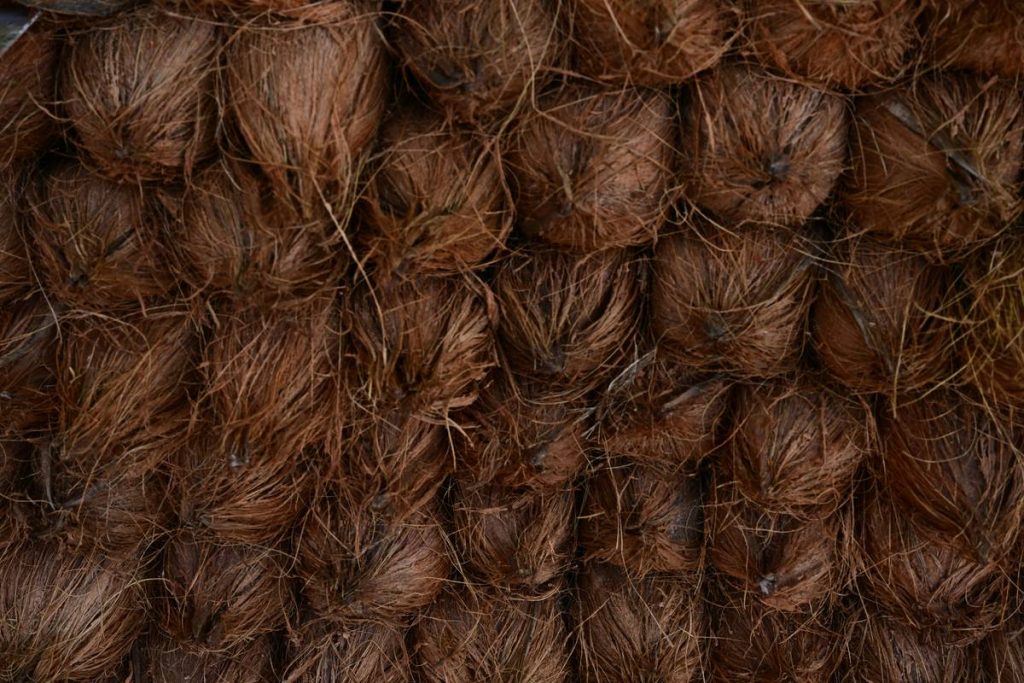
Mass-produced coir mats? They look rustic for about three rainstorms. Then they fray, fade, or become spongy traps for moisture and mold. And don’t get me started on those flimsy rubber-backed indoor/outdoor hybrids—they curl at the edges like burnt toast. The real problem isn’t quality alone. It’s mismatched intent. A farmhouse-style mat screams contradiction outside a minimalist stucco facade. Worse, poorly sized mats leave half your footprints untouched. Think about it: if your entryway is 36 inches wide, but your mat is only 18×30, you’re inviting grime right past the threshold.
How to Choose & Style a home doormat design That Lasts—and Wows
Forget “just wipe your feet.” Build a system. Layer function with flair. Here’s how:
Match Material to Climate (Not Just Aesthetics)
Coir works in dry, covered porches—but disintegrates fast in Seattle or Miami humidity. For rainy zones, go polypropylene or recycled rubber. Sun-drenched Southwest? Look for UV-stabilized fibers. Indoor-outdoor performance isn’t optional. It’s non-negotiable.
Size Matters More Than You Think
Your mat should cover at least 70% of door width. Standard single doors need 24×36 minimum. Double doors? Go 36×60. No exceptions. Small mats signal neglect—even if everything else is perfect.
Design Should Echo, Not Dictate, Your Style
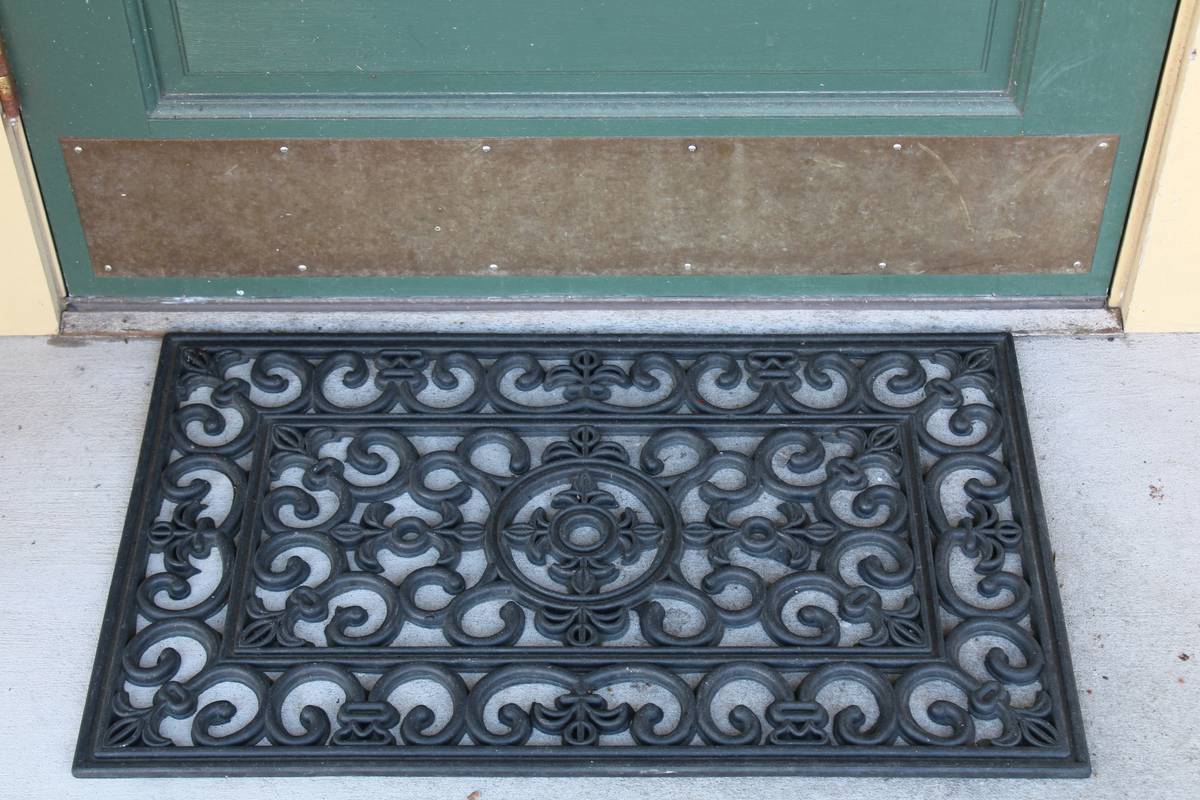
A bold “HELLO” in script font kills the vibe of a Japanese Zen entry. But subtle texture—a herringbone weave, tone-on-tone geometric pattern—adds depth without noise. Pro tip: pull one color from your door hardware or potted plants into the mat’s palette.
| Material Type | Budget Range | Lifespan (Avg.) | Ideal Climate | Style Flexibility |
|---|---|---|---|---|
| Coir (Natural Fiber) | $15–$40 | 6–12 months | Dry, covered entries | Rustic, coastal, farmhouse |
| Polypropylene (Synthetic) | $25–$60 | 2–4 years | All climates (rain/snow/sun) | Modern, traditional, eclectic |
| Recycled Rubber | $30–$75 | 5+ years | High-traffic, wet zones | Industrial, minimalist, urban |
| Cotton/Indoor Only | $20–$50 | 1–2 years (indoor) | Protected interiors only | Boho, vintage, cozy |
The Industry Secret: Layer Two Mats—Yes, Really
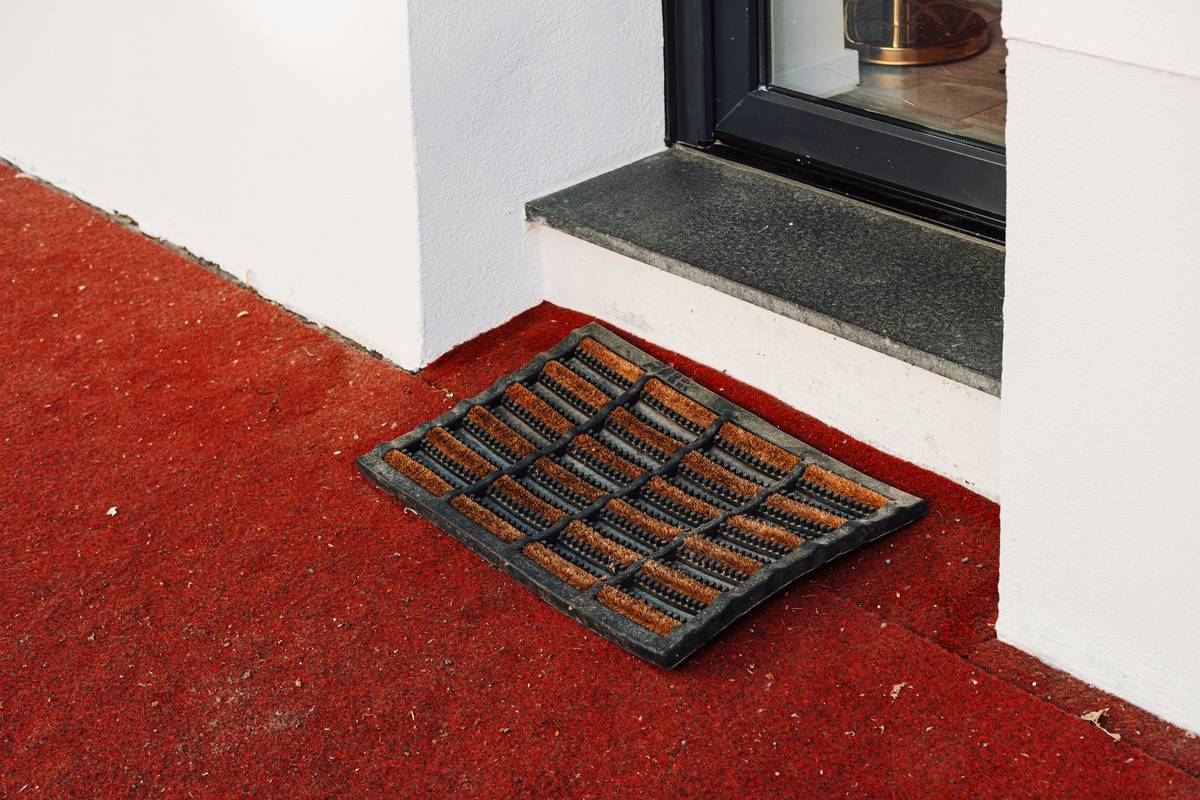
Top interior stylists don’t use one mat. They use two. Here’s the play: an outdoor-rated scraper mat (rough texture, 1/2-inch thick) sits directly outside the threshold to remove grit. Then, just inside the door, a softer, decorative indoor mat catches residual dust and adds visual warmth. This dual-layer approach cuts tracked-in dirt by up to 80%—verified by flooring contractors I’ve consulted. But retailers won’t tell you this. Why? Because selling two mats doubles their revenue. Smart homeowners? They buy once, clean less, and elevate ambiance without renovation.
FAQ
What’s the best home doormat design for high-rain areas?
Polypropylene or recycled rubber—both resist water absorption, mildew, and UV fading far better than natural fibers.
Should my doormat match my front door color?
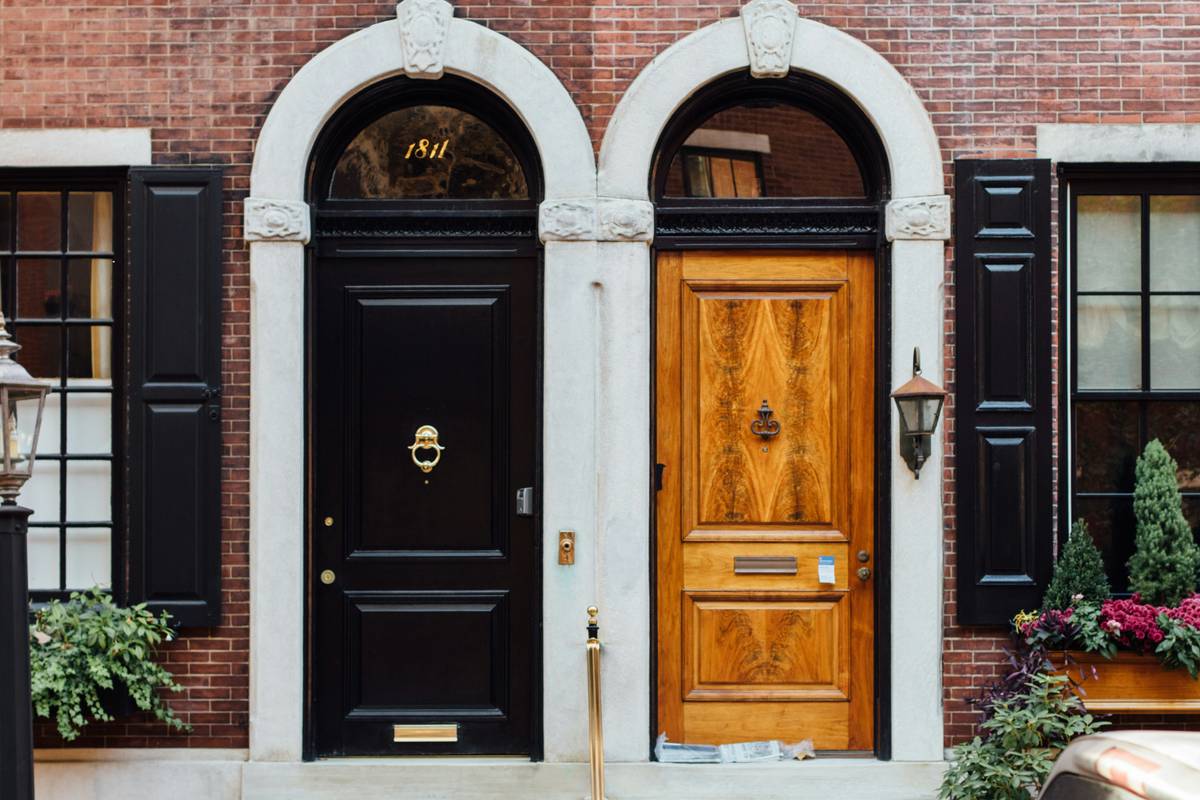
Not necessarily. Complement it instead. A charcoal mat grounds a white door; terracotta warms a black steel entry.
How often should I replace my outdoor doormat?
Every 12–18 months if exposed to elements—sooner if fibers are matted, backing is cracked, or it emits odor when wet.