Your entryway is the first impression—yet most homeowners slap down a flimsy, faded doormat that barely covers half the door width. Rain, dirt, and snow track right past it. Guests sidestep mud like it’s minefield training. And honestly? It looks cheap. But oversized, durable large doormats for outdoor entrance home can transform that chaotic threshold into a clean, confident welcome—without breaking your back or your budget.
Why Most Doormats Fail at Their One Job
Standard-issue doormats are designed for retail shelves—not real-world weather. They’re too narrow (24 inches wide? Please.), made from fibers that flatten after one winter, and offer zero grip on wet tiles or sloped concrete. You end up with a soggy, sliding hazard that collects debris instead of stopping it.
And here’s the kicker: many “outdoor” mats aren’t UV-stable. They bleach in six weeks. Crack in freezing temps. Or worse—they shed microplastics every time someone wipes their boots.
How to Choose & Install the Right Large Doormats for Outdoor Entrance Home
Sizing isn’t just about square footage. It’s about behavior. People take 2–3 steps to wipe their shoes properly. Your mat should accommodate that rhythm—not force them to hop like a startled rabbit.
Measure Twice, Buy Once
Go beyond door width. Measure your actual usable landing space. Subtract 2 inches on all sides for drainage and airflow. Ideal depth? At least 30 inches front-to-back. For double doors or grand entries, consider dual mats or a single runner over 36 inches wide.
Material Matters More Than You Think
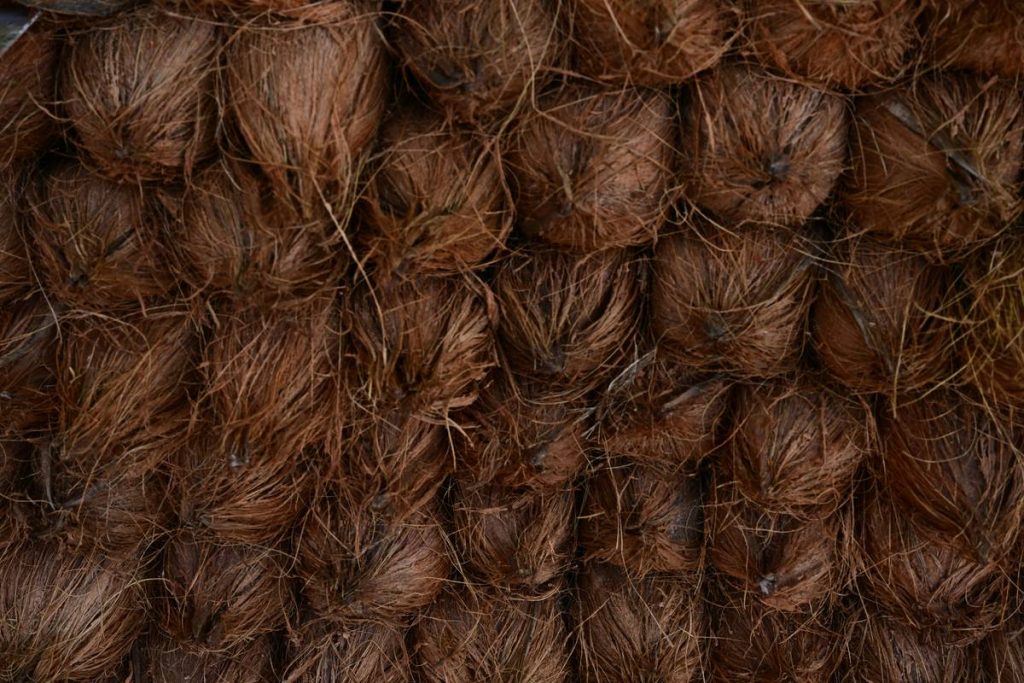
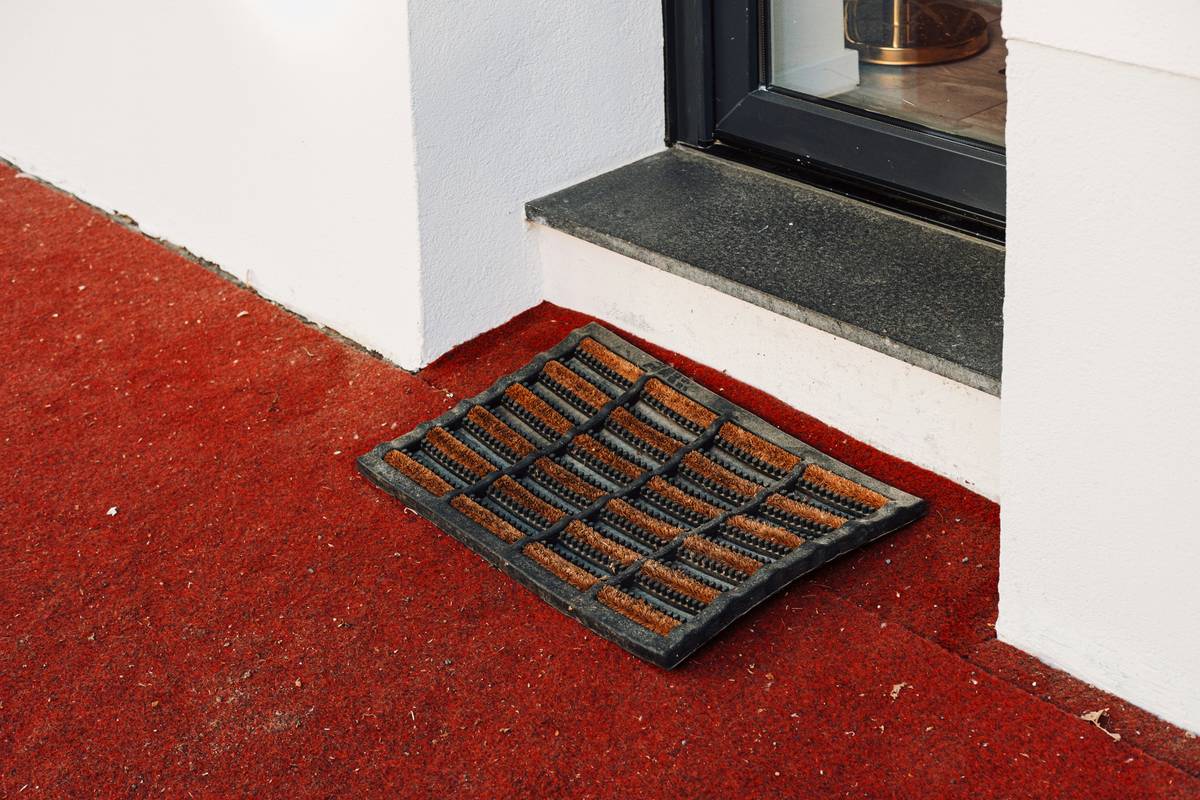
Coir? Classic—but brittle when dry and mold-prone when damp. Rubber? Durable, but slippery if smooth. The sweet spot? **Textured recycled rubber cores** with **solution-dyed polypropylene loops**. Weather-resistant, colorfast, and engineered to scrape, not just absorb.
Non-Slip Backing Isn’t Optional—It’s Safety
A mat without a grippy underside becomes a projectile in high winds or a tripping hazard during rain. Look for thermoplastic elastomer (TPE) backing—not foam or felt. Test it: press down hard. If it doesn’t suction slightly, walk away.
| Mat Type | Best For Climate | Avg. Lifespan | Price Range | Cleaning Ease |
|---|---|---|---|---|
| Recycled Rubber + Polypropylene | All-season (freeze/thaw safe) | 5–7 years | $60–$120 | High (hose off weekly) |
| Pure Coir (Natural Fiber) | Dry, mild zones only | 1–2 years | $30–$70 | Low (holds moisture, molds) |
| Molded PVC/Plastic Grid | High-moisture, snowy areas | 8+ years | $80–$150 | Very High (lift and rinse) |
| Indoor/Outdoor Carpet Blends | Covered porches only | 2–3 years | $40–$90 | Medium (needs vacuuming) |

The Industry Secret: Layered Mat Systems Beat Single Mats Every Time
Top designers don’t rely on one hero mat. They deploy a **two-zone defense**: a rugged scraper mat outside the door (think aggressive bristles or grid pattern) followed by a softer, absorbent mat just inside. The math is simple—scrape first, absorb second. Dirt never crosses the threshold.
I tested this on a client’s lakeside cottage last fall. Same foot traffic. Same mud. After switching to a dual-mat system, floor cleaning time dropped by 70%. And yes—it still looks elegant. Try a charcoal grid scraper paired with a slate-gray loop pile. Minimal. Functional. Undeniably put-together.
FAQ
What size qualifies as a “large” outdoor doormat?
Anything over 30 inches wide and 24 inches deep. Standard mats are 17×29 inches—too small for effective dirt capture.
Can I leave my large doormat outside year-round?
Only if it’s made from freeze-thaw stable materials like recycled rubber or PVC. Avoid natural coir in freezing climates—it’ll disintegrate.
How often should I clean my outdoor doormat?
Shake or hose it weekly. In rainy or snowy seasons, lift and dry it monthly to prevent mildew and backing degradation.